




Each week in my Research Update, I distill the latest sports science research into practical insights to help you improve your training, performance, and recovery.
In this week’s update:
- Whether dehydration affects how your body responds to protein
- When caffeine doesn’t improve performance
- What your tears and snot can tell you post-exercise
Dehydrated? Your Post-Workout Protein May Not Land the Same Way

In this study, 13 healthy young men did three exercise trials, each leaving them at a different level of hydration:
- Dehydrated: 2.2% body mass loss
- Partially dehydrated: 1.18% body mass loss
- Hydrated: 0.27% body mass loss
Immediately afterwards, they drank 45 g of whey protein mixed with 450 mL of water. Researchers then measured amino acids in their blood over the next two hours.
Levels of amino acids increased in all three cases. However, at the 1-hour mark, the dehydrated trial had significantly lower levels of total amino acids, and lower levels at the 2-hour mark.
Why it matters:
Research shows that up to 2% dehydration isn’t the performance-killer that most people think it is. However, this trial suggests dehydration might affect the "recovery window" you're counting on after sweaty runs, rides, or HYROX sessions.
My thoughts:
This small trial measured blood amino acids, not actual muscle repair or next-day performance. So, I wouldn't claim, "your protein shake doesn't work if you are dehydrated."
But it raises an interesting question: are you giving your body the best conditions to recover when you finish a session dehydrated?
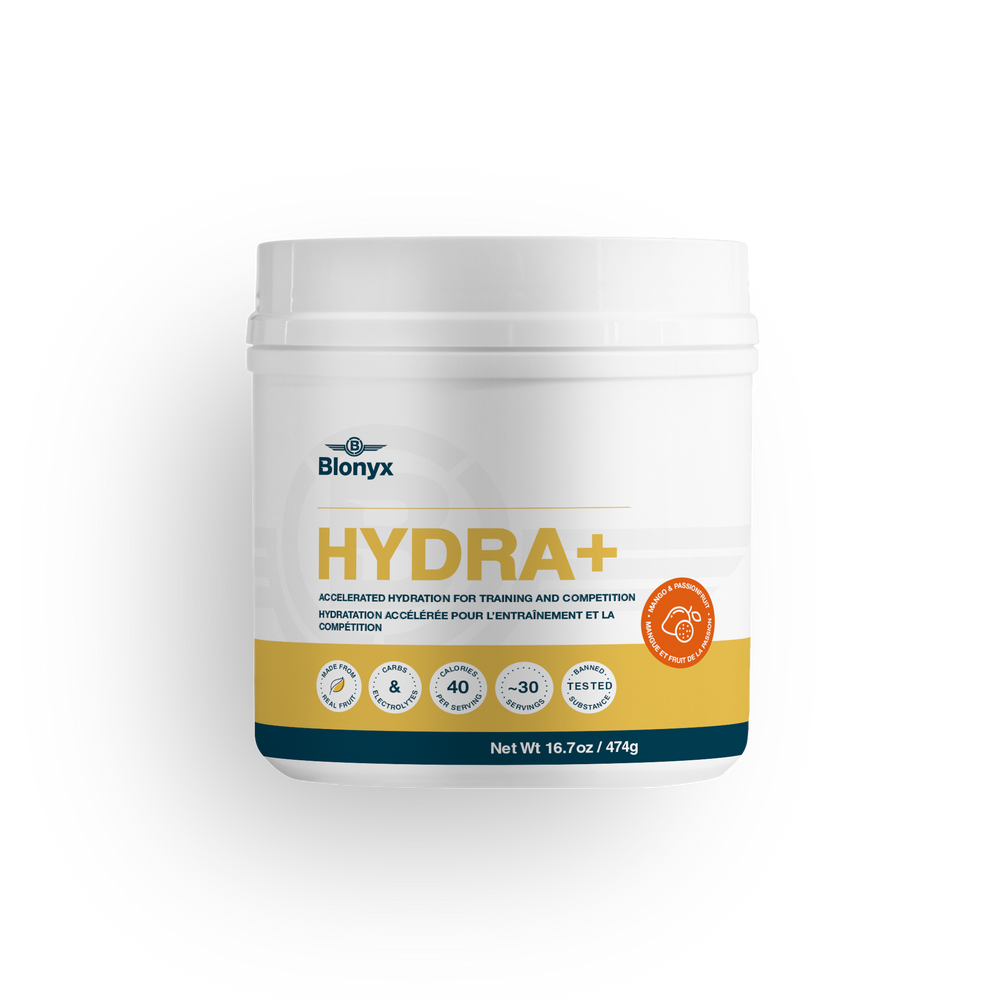
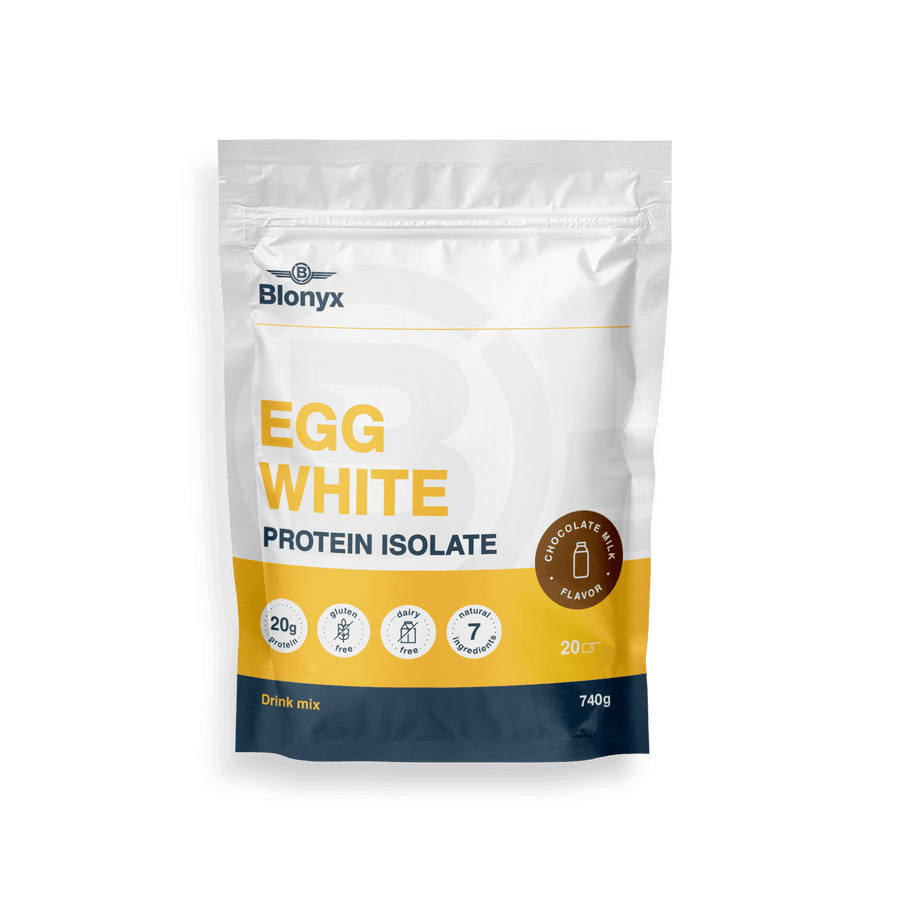
Don’t treat hydration and protein as two separate boxes to be ticked. Hydra+ during training and Egg White Protein Isolate afterwards can help you cover both.
When Caffeine Doesn't Improve Performance

In this study, 21 high-level male basketball players did two trials a week apart. Before each, they took either 3 mg/kg of caffeine or a placebo.
Both times, they completed a warm-up designed around their individual jumping ability. The researchers then measured how high they could jump over the next 12 minutes.
Jump performance changed significantly after the warm-up, but the results were no different when players took caffeine instead of a placebo.
Why it matters:
Stacking caffeine with a PAP-style warm-up is common practice in HYROX, CrossFit, and other explosive-power training circles. This study suggests that, if your warm-up is already well-designed, caffeine might not add any extra benefit.
My thoughts:
This doesn't mean caffeine doesn't work. Caffeine’s performance benefits are well established. But it’s a reminder that stacking strategies (even effective ones) doesn’t always produce better results. More isn’t always better.
Your Tears and Snot Change After a Workout, Too

In this study, five healthy women ran on a treadmill for 30 minutes. Researchers collected their blood, tears, and nasal secretions before and afterwards. They looked at how the proteins in each fluid changed after exercise.
They identified over 2,200 proteins in plasma and over 3,200 in both tears and nasal secretions, with about 1,200 proteins showing up in all three. Only 13 proteins changed consistently across all fluids. Some proteins changed in just one. Tears showed the biggest overall shift, with 760 proteins changing after exercise.
Why it matters:
Blood tests aren't the only way researchers can study how the body responds to exercise. This early research suggests that tears and nasal secretions could offer additional ways to track those changes in the future.
My thoughts:
This study doesn’t have an actionable takeaway. I'm including it anyway because it's a genuinely interesting concept.
The idea that something as easy to collect as a tear sample could help researchers monitor the body's response to exercise is worth watching. It also makes me wonder about the future and how much data we might be collecting on a daily basis to monitor training results.
— That's all for now, train hard!
If you learned something new and are curious to know more, check out more articles and my growing list of weekly Blonyx Research Updates.