


You train hard. You prioritize your hydration, sleep, and recovery. But if your carbohydrate stores aren't topped up before a big effort, you're not going to perform at your best.
That’s where carb loading comes in.
It's not about stuffing yourself with pasta the night before, it's about planning ahead to saturate your body's glycogen stores, so you can train, race, or compete for longer without crashing.
What You’ll Learn in This Article
- When carb loading matters (and when it doesn't)
- How to adjust your carb intake based on your experience
- What foods work best for carb loading
- How to pair carbs with protein and hydration to get more from your sports nutrition
Glycogen 101: Why Carbs Matter More Than You Think
Your body stores carbohydrates as glycogen, mostly in your muscles, with a smaller reserve in your liver. This glycogen is your primary energy source during moderate to high-intensity training (65–85% VO₂max).
Whether you're pushing through a long trail run, riding a Gran Fondo, or grinding through high-intensity intervals, your performance can depend on how much glycogen you have in the tank.
The problem? Your glycogen stores are limited.
Most athletes can store enough glycogen to support about 90–120 minutes of sustained effort. Once your stores deplete, your pace fades, your legs feel heavy, and your focus disappears. That’s bonking, and it’s hard to recover from once it starts.
Even if you fuel mid-session, your body can’t absorb carbs quickly enough to fully keep up with what you’re burning. That’s why carb loading before hard endurance efforts matters. It gives your body the energy reserves it needs to perform for longer without crashing.
So, how do you actually put this into practice? Let’s break down carb loading before, during, and after training.

When to Get Your Carbs and How Much
Carb timing isn't one-size-fits-all. The amount you need, and when you need it, depends on the duration of your event, your experience level, and how dialled your nutrition already is. Here's how to do it right, before, during, and after training or racing.
1. Before Training or Competition
Shorter endurance sessions (~90 min): A single-day increase in carbs may be enough. Eat a pre-session meal of 1–4 g/kg carbs, ideally 1–4 hours before training. Compact, low-fibre foods like oats, honey, bananas, and raisins are easier to digest than bulkier sources like potatoes or pasta.
Longer sessions (3+ hours) or race days: Aim for 10–12 g/kg carbs per day for 36–48 hours while tapering. Trained athletes can still achieve full glycogen stores with 10 g/kg/day over just 24 hours if using high glycemic index foods (fast-digesting carbs that quickly raise blood sugar levels) remaining inactive. In the final 1–4 hours before the event, consume 1–4g/kg from foods or drinks you know you tolerate well.
2. During Training or Competition
Endurance sessions over ~90 minutes: Your body burns glycogen faster than it can replace it during exercise, so ongoing fuelling is critical. Aim for 30–60 g of carbohydrate per hour using foods, gels, or drinks that sit well in your stomach.
Longer events (2.5+ hours): Increase intake to 90 g/hour if you can tolerate it. Use a mix of glucose and fructose (ideally in a 2:1 ratio) to maximize absorption and reduce the risk of GI issues. Products like Beet It Top Up 100 Energy Gels are designed for this kind of performance fuelling.
3. After Training or Competition
Fast recovery window: When training sessions are close together or you’ve just finished a long effort, replenishing glycogen becomes time-sensitive. Aim for ~1.2 g/kg of body weight per hour for the first 4–6 hours post-exercise.
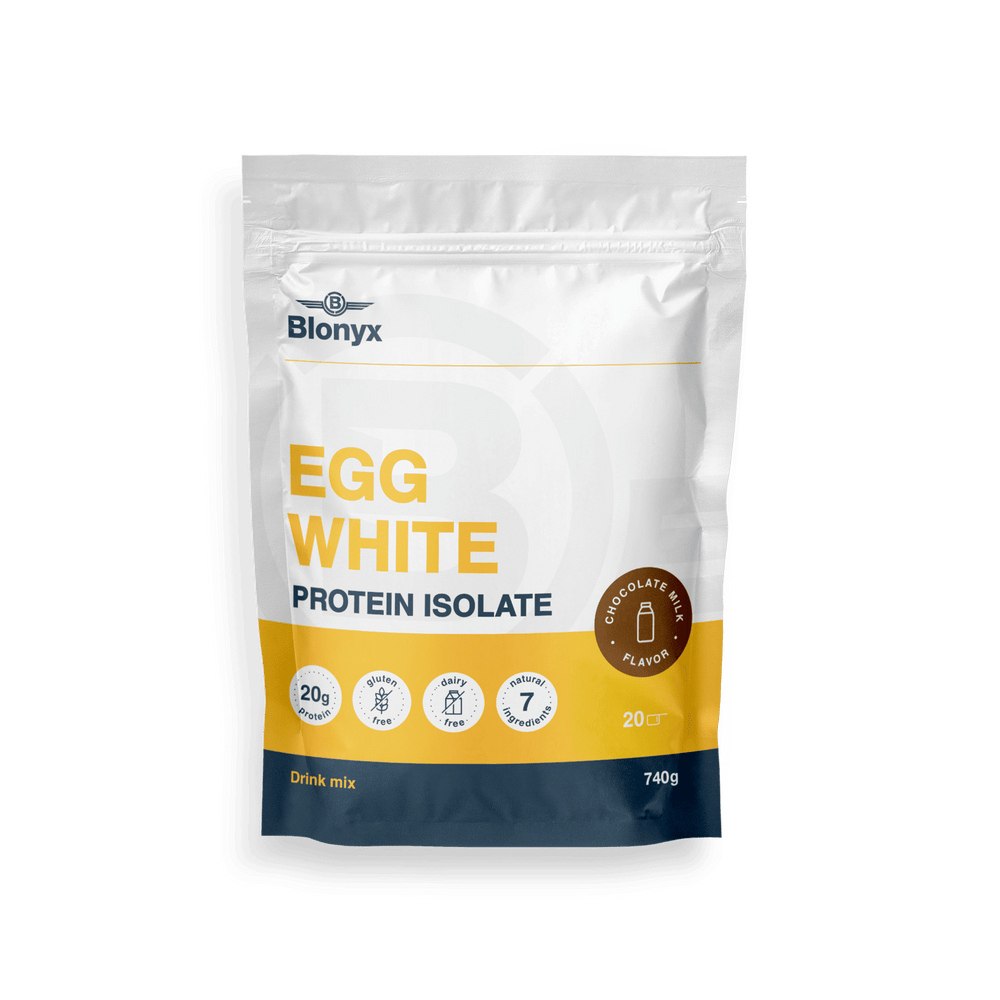
If eating less than this, adding 0.2–0.4 g of protein/kg body weight can help accelerate glycogen synthesis. High-glycemic carbs like rice, bread, or potatoes work best when turnaround time is short, especially when paired with a fast-digesting protein like Blonyx Egg White Protein Isolate.
Carb Source Options and How to Combine Them
Carbs come in many forms, each with their pros, cons, and best uses depending on the session length, intensity, and your gut tolerance. The right mix can help you meet fuelling targets without discomfort or overloading your stomach.
Real foods:
- Pros: Naturally nutrient-rich, cost-effective, familiar, and easy to find.
- Cons: Bulky and often high-fibre, which may cause fullness or GI distress.
Strong options: bananas, white rice, honey, boiled potatoes, oats, raisins
Sports drinks, gels, and chews:
- Pros: Precise carb dosing, rapid absorption, small volume for high carb delivery with minimal GI upset.
- Cons: More expensive, potential for flavour fatigue, fewer extra nutrients.
Quick note: Look for a 2:1 glucose-to-fructose ratio to boost absorption and minimize gut issues.
Liquid carbohydrates:
- Smoothies, maltodextrin drinks, or diluted juices are ideal before big sessions or in the final 24 hours of carb loading.
- Useful during high-volume training when chewing feels like a chore or you don’t want to feel overly full.
Combination strategy:
- Before the race: Use real food or smoothies to load slowly without discomfort.
- During the race: Combine chews or solid foods early on, then switch to gels/drinks as intensity rises.
- After the race: After training, choose fast-digesting, low-fibre carbs for rapid glycogen replenishment and combine with protein to kickstart muscle repair.
Pro tip: Always test your carb combinations in training to “train your gut” before race day. Similarly to how your muscles adapt to repeated training, your digestive system adapts too. By gradually increasing carb amounts and practicing with different gels, drinks, and foods, you’ll improve absorption and reduce the risk of stomach issues when race day comes.

Supportive Nutrients: Protein, Electrolytes, and Fluids
While carbs are the main driver of glycogen loading and endurance performance, protein, electrolytes, and hydration all play important supporting roles.
After training, especially when carb intake is on the lower side, adding protein can speed glycogen resynthesis and kickstart muscle repair. Research suggests that combining carbs with 20–40g of high-quality protein maximizes muscle protein synthesis for 3–4 hours after exercise and enhances glycogen resynthesis.
Blonyx Egg White Protein provides clean, whole-food protein with a touch of organic cane sugar—adding carbs that help replenish glycogen while supporting muscle repair after training.
Electrolytes, particularly sodium, are critical for fluid balance and for transporting carbohydrates into muscle cells—both essential for effective glycogen storage. Inadequate electrolyte intake can reduce storage efficiency, while even mild dehydration can impair performance and post-exercise recovery. Start sessions well-hydrated and replace fluids at a rate that matches sweat loss.
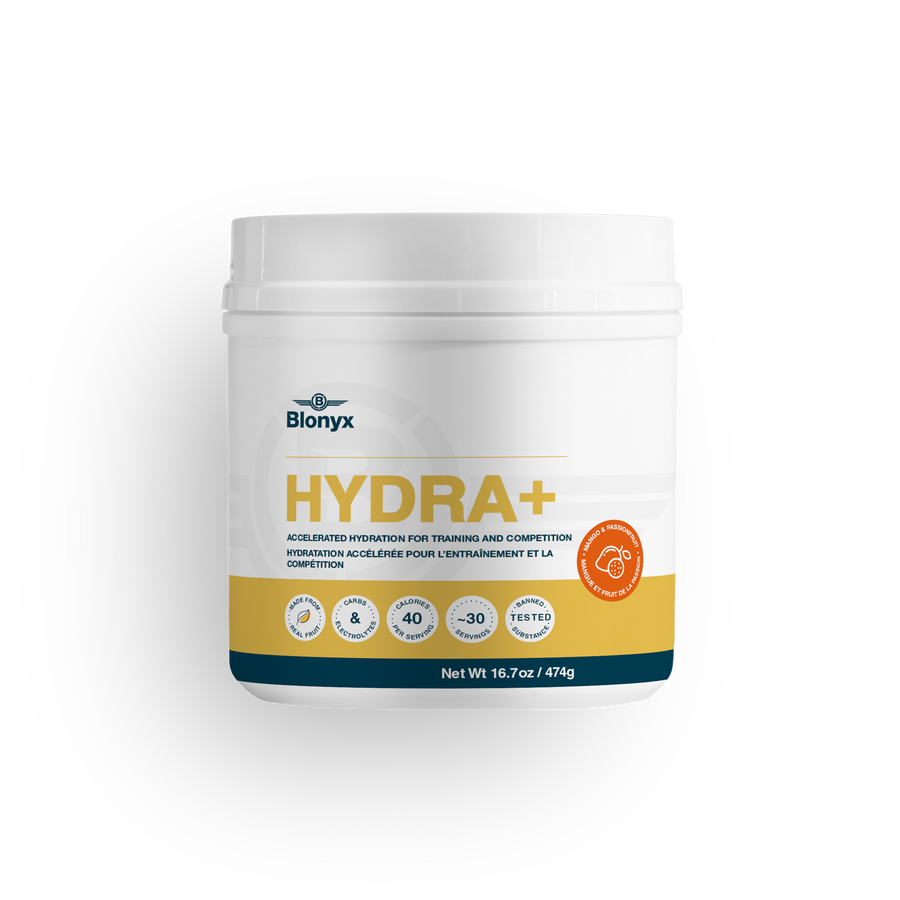
Blonyx Hydra+ pairs sodium from sea salt with a small amount of glucose from organic cane sugar, helping your body absorb water more effectively while fuelling carb transport into muscles.
What Strength and Power Athletes Need to Know
While strength and power athletes don’t burn through glycogen as fast as endurance athletes, research shows that carbohydrate availability still plays a role in performance—especially during high-intensity training blocks or multi-event days like CrossFit and Olympic weightlifting competitions or tournaments.
In resistance training, muscle glycogen depletion is moderate, but performance suffers if stores get too low, meaning that increasing carbohydrate intake in the hours or days before high-intensity sessions can help maintain training intensity and total volume, while higher carbohydrate intake can improve strength, total reps, and power output—particularly when workouts involve multiple sets to failure or high training loads.
This doesn’t mean you need to eat like an endurance athlete. Current research suggests 3–5g of carbohydrates per kilogram of body weight per day for general strength/power athletes, or 4–7g/kg/day for those focused on building muscle is usually sufficient for everyday strength training or short workouts.
Frequently Asked Questions
Do I need to carb load for anything under 90 minutes? Not usually. Your existing glycogen stores can cover most sessions under 90 minutes on their own. A normal balanced diet the day before is typically enough, there's no need for the multi-day taper protocol.
What if carb loading makes me feel bloated or heavy? This is common and usually comes down to fibre, not the carbs themselves. Swap high-fibre sources (whole grains, most fruit skins) for lower-fibre options like white rice, ripe bananas, or honey in the 24–48 hours before your event, and test your exact plan in training first.
Can I carb load the same way for a century ride as a marathon? Yes, the underlying targets (10–12g/kg/day while tapering, 30–90g/hour during) apply across endurance sports. What differs is practicality, cycling generally makes it easier to eat and drink while moving than running does, so many cyclists can push toward the higher end of the during-event range more comfortably.
Does carb loading mean I'll gain weight before race day? A temporary weight increase of 1–2kg is normal and expected, it's water stored alongside the glycogen, not fat. It comes back off during the event as you use that fuel.
Key Takeaways
Choosing whether, and how, to carb load depends on your goals, training demands, and the length and intensity of your event.
Here's what athletes need to know:
-
Glycogen is your body’s fuel. Your muscles rely on it during high-intensity or long-duration efforts, and once it runs low, performance drops hard.
-
Carb loading helps you start topped up. It’s the only way to ensure your glycogen stores are full before races or hard sessions lasting 90+ minutes. Loading isn’t just about eating more. The type, timing, and duration of carb intake all affect how much your body stores and how well you perform.
-
Fast carbs work best during and after training. Gels, drinks, and high-GI foods that digest quickly and raise blood sugar fast are key to staying fuelled and speeding recovery.
-
Fluids and electrolytes matter. They’re essential for carb transport and storage. Blonyx Hydra+ is a real-food electrolyte option that supports this with just the right amount of salt and sugar.
- Protein (with carbs) enhances recovery and storage. Pairing carbs with 20–40 g protein post-exercise helps replenish glycogen and repair muscle. Blonyx Egg White Protein Isolate is an easy-to-digest, complete option that contains carbs from organic cane sugar.
Learned Something Valuable and Want to Know More?
Read more on the Blonyx Blog, including and our growing list of simple summaries of the latest sports science research and what it means for your training.