



Drinking more water isn't the only adjustment athletes need to make when training or racing in warm conditions, but it's often the only consideration people make.
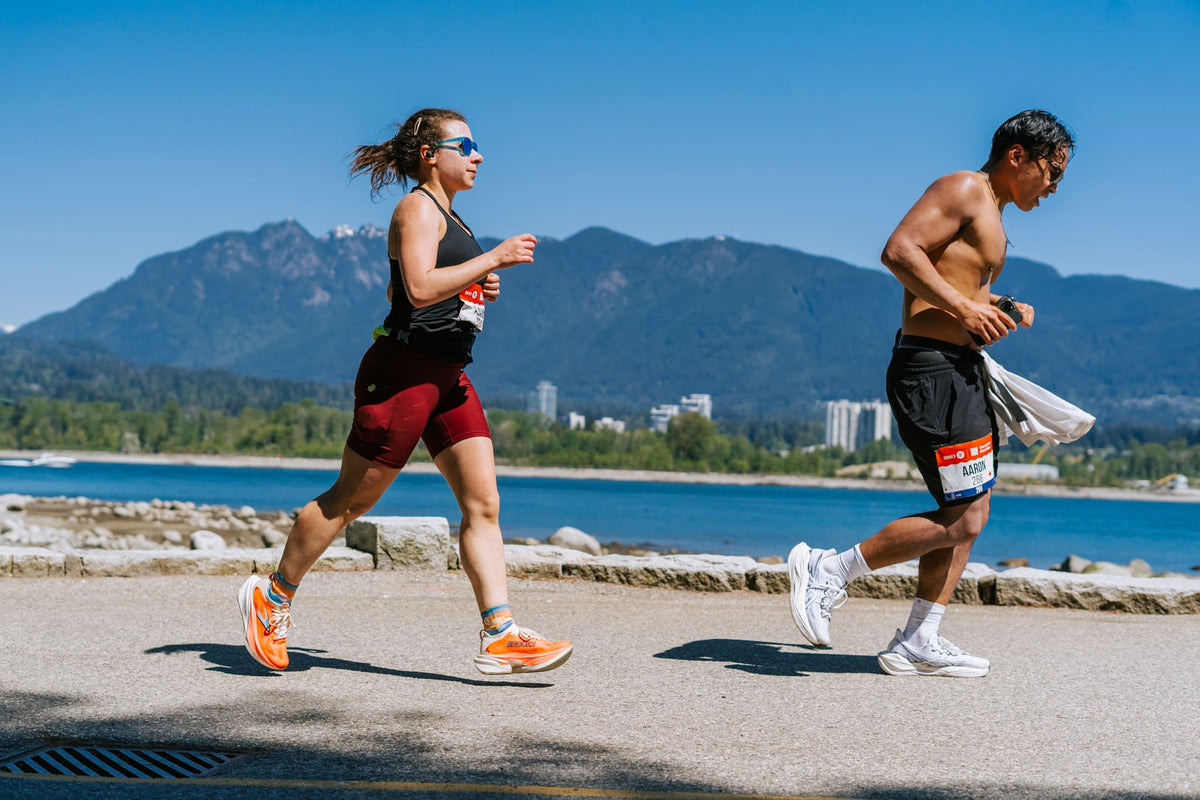
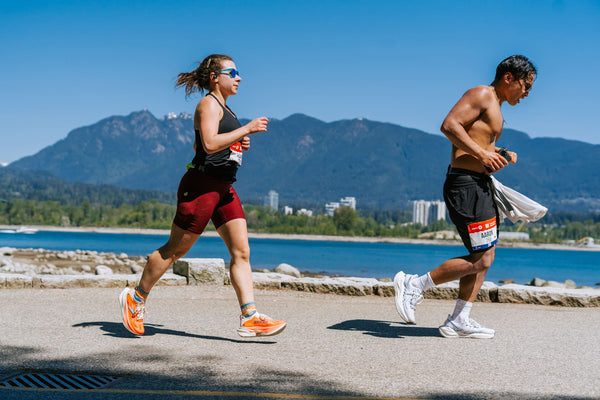
Last weekend, the thousands of runners taking on the BMO Vancouver Marathon found themselves racing in unseasonably warm conditions. Some adjusted their goals, while others went out at goal paces they'd trained for in much cooler weather.
Heat changes how your body uses fuel, how your gut processes it, and how reliably your hunger signals work—here's what's happening and what to do about it.

1. Your Body Burns Through Carbohydrates Faster in the Heat
Heat shifts your metabolism toward higher carbohydrate use, meaning you burn through your stored energy faster. At the same time, your body is less efficient at oxidizing the carbohydrates you take in during exercise, so the gels or drinks you consume aren't replacing glycogen at the same rate they would on a cooler day.
Because the primary driver of this process is elevated core and muscle temperature, not dehydration, rehydration and refueling alone may not be the only strategies to limit carbohydrate depletion. Managing body temperature is equally important.
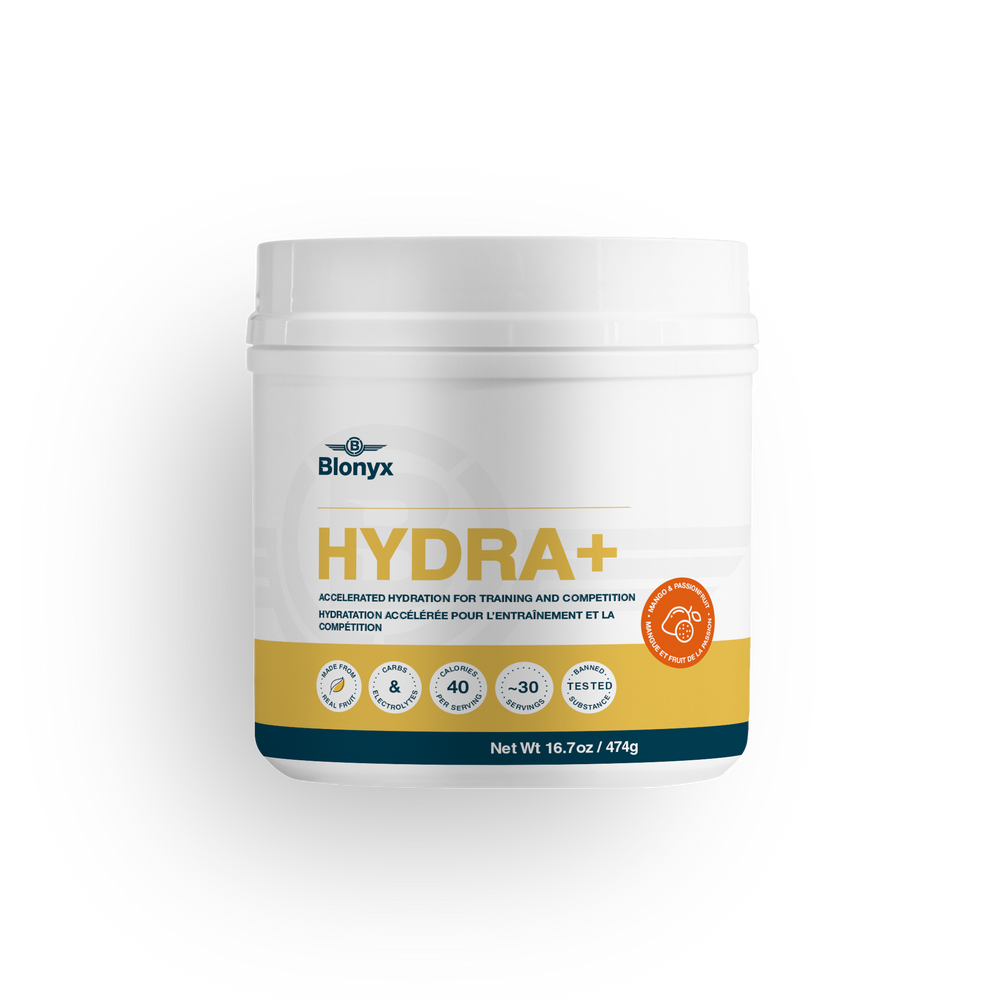
If you know you'll be training or racing in temperatures higher than you're used to, prioritize topping up your glycogen stores the day before, consider carrying a drink like Blonyx Hydra+ that provides electrolytes and carbohydrates with your fluids, and fuel more frequently during your session than you would in cooler conditions.
2. Heat Kills Your Appetite
While your energy needs increase in the heat, your drive to eat doesn't always keep up.
Part of this is physiological: during and after exercise in the heat, blood flow is redirected toward working muscles and the skin for cooling, reducing perfusion to the gut and slowing digestion. That can make food feel less appealing and delay hunger signals even when you're in an energy deficit.
Perceived appetite can also be lower after exercise in the heat, with changes in hormones like ghrelin and leptin contributing to the effect, though the full hormonal picture is still being worked out.
Eating more during exercise helps, but replacing what you've used after training is just as important since that's when your body does the repair work.
A combination of carbohydrates and protein is the best starting point as carbohydrates help restore glycogen stores, while protein provides the amino acids needed to rebuild muscle tissue. Together, they also improve insulin response, which helps shuttle glucose and amino acids into muscle more efficiently.
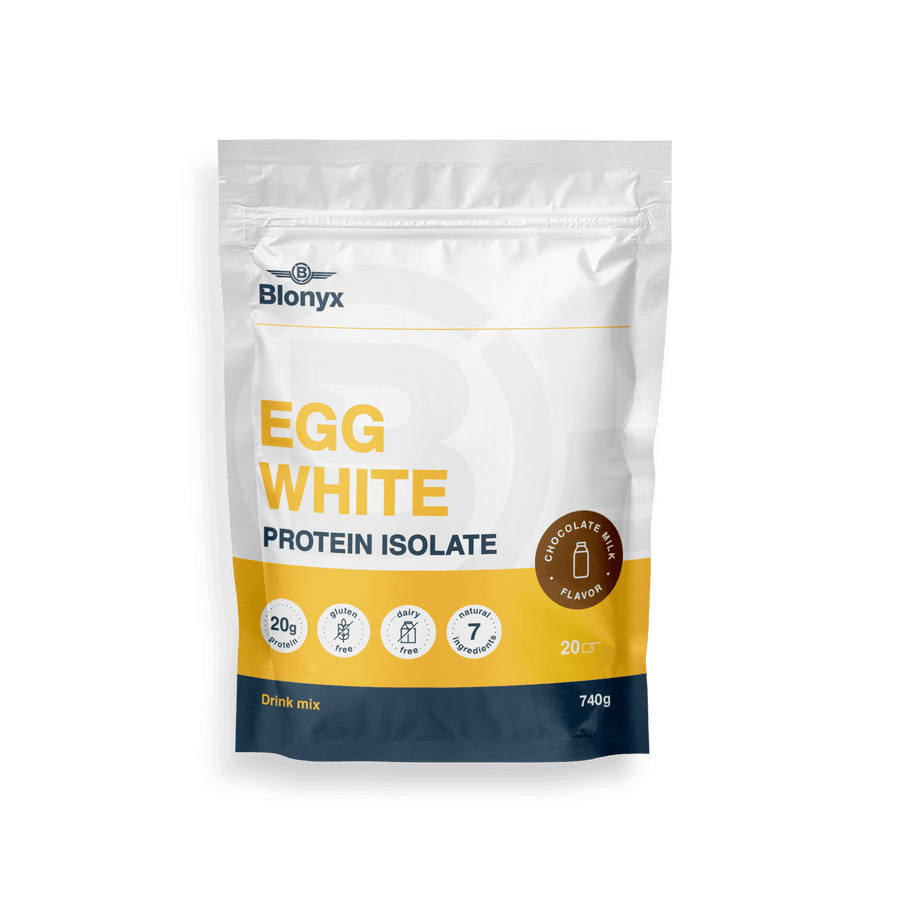
If solid food isn't appealing after a hot session, a smoothie with something like Egg White Protein Isolate is an easy way to get both in. Waiting until you're actually hungry often means waiting too long.
One more thing worth knowing: if glycogen isn't adequately topped up after training, your body may start pulling protein away from repair and using it for energy instead. This slows recovery and limits the adaptation you're trying to build, and it becomes more relevant in the heat, where carbohydrate use during exercise is already running higher than normal.

3. Hydration in the Heat
Sweat isn't just water. Every time you sweat, you lose sodium in addition to fluids, and replacing those fluids without replacing the sodium dilutes blood sodium levels. This impairs muscle function and reduces your body's ability to retain the fluid you're drinking.
Drinking only plain water over a long, hot session also increases the risk of heat-related illnesses, and in some cases, hyponatremia—a condition where blood sodium falls to dangerously low levels that can impact both performance and health.
Sweat sodium concentration also varies significantly between individuals, which is part of why one-size-fits-all hydration advice is hard to give, and why paying attention to your own patterns across seasons and climates matters.
When you're dehydrated, a drink that provides fluids, carbohydrates, and electrolytes together in a ratio that your gut can actually absorb and use is the more useful choice. Blonyx Blonyx Hydra+ is designed for exactly that: supporting fluid retention and muscle function, not just hitting a hydration volume target. More on year-round hydration strategy here.
4. Your Stomach Works Differently in the Heat
You might think you know how much fuel you can handle mid-session, but your gut processes things differently when your core temperature is elevated.
Blood flow to the GI tract can be reduced by up to 80% during intense exercise, and hot environments slow gastric emptying further. High carbohydrate intake, high-intensity exercise, and heat all independently slow gastric emptying, so a hot race can stack all three simultaneously and increase the risk of nausea, cramping, and bloating.
Carbohydrate oxidation is also reduced by around 20% in the heat even when hydration is maintained, which means heat stress alone can impair how efficiently your body uses what you take in.
When you exercise in the heat, things may not always go according to plan, so give yourself some grace. Your body is dealing with a lot at once, and GI discomfort in these conditions is often more physiological than a failure of planning or training.

5. Other Things Worth Adjusting
Train by effort, not pace. In the heat your heart rate and perceived exertion will go up. On hot days, aim to hold effort or heart rate constant, not pace.
Cooling helps your fueling. Managing body core temperature helps limit carbohydrate depletion in the heat. Cold drinks or ice slurries before or during a session can help reduce thermal strain early on and extend the window before heat stress starts compromising both fueling and performance.
Recovery costs more. The combination of elevated core temperature, dehydration, and higher metabolic load means a hot session takes more out of you than the same effort in cool conditions. Consider adding in a few of the recovery habits we cover here.
Key Takeaways
- Carbohydrate use increases in the heat, so make sure you’re fueling accordingly. Top up your glycogen stores the day before your session, and during it.
- Not feeling hungry after a hot session is normal, but it's not a signal to skip eating. Pre-plan your nutrition, and use fluids and simple carbohydrates when solid food doesn't appeal.
- Replace sodium, not just fluids. A drink that includes electrolytes alongside carbohydrates will support fluid retention and muscle function far better than water alone.
- Your gut is under more stress in the heat. Give yourself grace when fueling in the heat doesn't go perfectly, there's a lot of physiology working against you at once.
- Effort over pace, always in the heat. Heart rate and perceived exertion are more reliable guides than pace when it's warm. An effort based session is still a productive session.
If you learned something new from this article and are curious to know more, check out more articles and our growing list of weekly Blonyx Research Updates where we help you further improve your athletic performance by keeping you up to date on the latest findings from the world of sports nutrition.
– That’s all for now, train hard!
Looking for more ways to keep up with Blonyx?
Now, you can join the Blonyx Strava Club to track your progress, share training tips, and connect with athletes who share your athletic ambition.
You can also follow us on Instagram and Facebook for additional sports science information, announcements, exciting giveaways, and more!